How to Maximize Use of Your Tax Refund
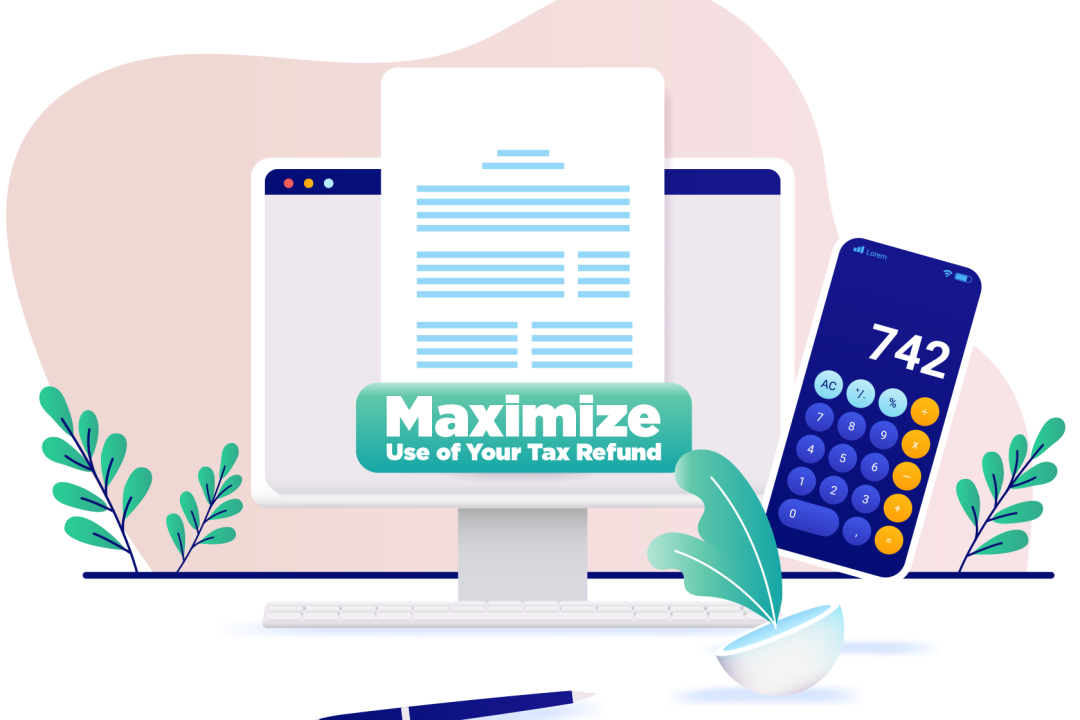
Tax season is upon us, and many people are working on their returns, anticipating a tax refund. If you’re looking forward to a refund, you may want to find ways to put your refund to work. No matter the size of your tax refund, you can make a smart plan for it. If you don’t need the funds for necessities, you may be tempted to use it as “found money” and spend it on a nice vacation with the family or a single large splurgy purchase. While this can feel good in the short term, financial planners recommend having a plan for your refund that makes it work for you long-term.
One option that can put your refund to work for you is investing it in a 529 education savings account like The Education Plan®. If you take this option, you’ll see the refund grow over time, and you can feel good about investing it in a loved one’s future.
Tax Benefits Help Your Refund Grow More
If you choose to invest your refund in a 529 plan, there are tax benefits in place that can help it grow even more. Earnings in a 529 account are not subject to federal taxes as long as they are used for qualified educational expenses, including tuition, room and board, books and more. And many states also offer additional tax benefits. If you live in New Mexico, you can deduct 100% of contributions to an account with the Education Plan from your state income taxes. This can represent a significant tax savings every year. You can see every state’s tax benefits for 529 contributions here.
Gifting
Others can contribute their tax refunds to your child’s 529 account as well. Grandparents, may see this as a smart way to contribute to their grandchild’s future education while potentially receiving tax benefits themselves. Aunts, uncles, family friends and godparents can all contribute and may receive tax benefits as well.
It’s easy for friends and family to make a gift into a 529 account with The Education Plan with Ugift. You can set up a unique code to share with friends and family. The code allows them to easily contribute directly into the account.
To set up your Ugift code, log in to your account with The Education Plan.
Financial Literacy
Your minor child may receive a tax refund as well. You can encourage them to start making smart money choices early by investing it in their 529 account for their future education. This offers an excellent opportunity to start having conversations about money and financial literacy with your children, no matter how old they are. Let them know that these savings will continue to grow and ultimately help them receive a higher education degree, complete a certificate program, or apprenticeship program with a smaller debt load. Investing your own tax return in their account, and sharing that you did, is another way to be a role model for smart financial choices.









Frequently Asked Questions
A 529 plan is a tax-advantaged investment account that is designed to grow savings for future education expenses for a specified beneficiary. 529 plans offer unique benefits and features that make them an appealing strategy for education related saving.
A 529 plan can be used for “qualified educational expenses.” For federal tax purposes, qualified educational expenses include:
- Tuition and fees at accredited higher education institutions
- Books
- Supplies and equipment
- Room and board for beneficiaries attending on at least a half-time basis.
- Computer technology, equipment, and internet access
- Up to $10,000 a year for K-12 tuition and expenses (Limit increase to $20,000 in 2026)
- Expenses for educational special needs services
- Transfers to an ABLE account for the beneficiary (transfer subject to annual limit)
- Apprenticeship expenses
- Up to $10,000 for student loan repayment
- Credentialing expenses and certification programs
- Roth IRA rollover for the beneficiary
If you're not sure if an expense is considered "qualified," we recommend consulting with a tax professional or advisor. Unqualified expenses will be treated like ordinary income: state and federal taxes will apply, with a 10% federal penalty for withdrawals from your 529 plan used to pay for them.
New Mexico residents can deduct contributions to The Education Plan from their state taxable income each year. This includes contributions made to an account that you are not the account owner of.
You cannot deduct contributions from federal income taxes.
Any person at least 18 years old with a valid Social Security Number (SSN) or Tax Identification Number (TIN) can open a 529 account. The account holder chooses the investment options, designates a beneficiary, and requests the distribution of funds.
The cost of college continues to rise, including tuition, housing, food and supplies, so it’s important to begin saving as soon as possible. You can learn more about how much a typical college education costs on our Cost of College page. It’s never too early or too late to start.
The Education Plan offers a variety of investment options to fit you and your family’s needs, risk tolerance and goals. You can see all of the available investment portfolios on the investments page.
Yes, you can use up to $20,000* a year to cover tuition and expenses for K-12 education.
Qualified K-12 expenses include:
- Tuition (public, private, and religious)
- Curriculum materials, books (including digital/online) and instructional materials
- Tutoring and instructional classes**
- Fees for a nationally standardized norm-referenced achievement test, an advanced placement examination, or any examinations related to college or university admission
- Dual enrollment program fees
Educational therapies for students with disabilities provided by a licensed or accredited practitioner or provider, including occupational, behavioral, physical, and speech-language therapies
*Starting in tax year 2026. The annual limit is $10,000 in tax year 2025 and permitted for tuition only.
**Tuition for tutoring or educational classes outside of the home, including at a tutoring facility, but only if the tutor or instructor is not related to the student and—
(i) is licensed as a teacher in any State,
(ii) has taught at an eligible educational institution,
or (iii) is a subject matter expert in the relevant subject.
You can open an account with The Education Plan online or by mailing in the enrollment form. In order to open an account, you will need the following information:
- Your social security number or TIN
- Your address
- Your bank account information (in order to fund the account)
- The beneficiary’s social security number or TIN
- The beneficiary’s birthday
-The beneficiary’s address